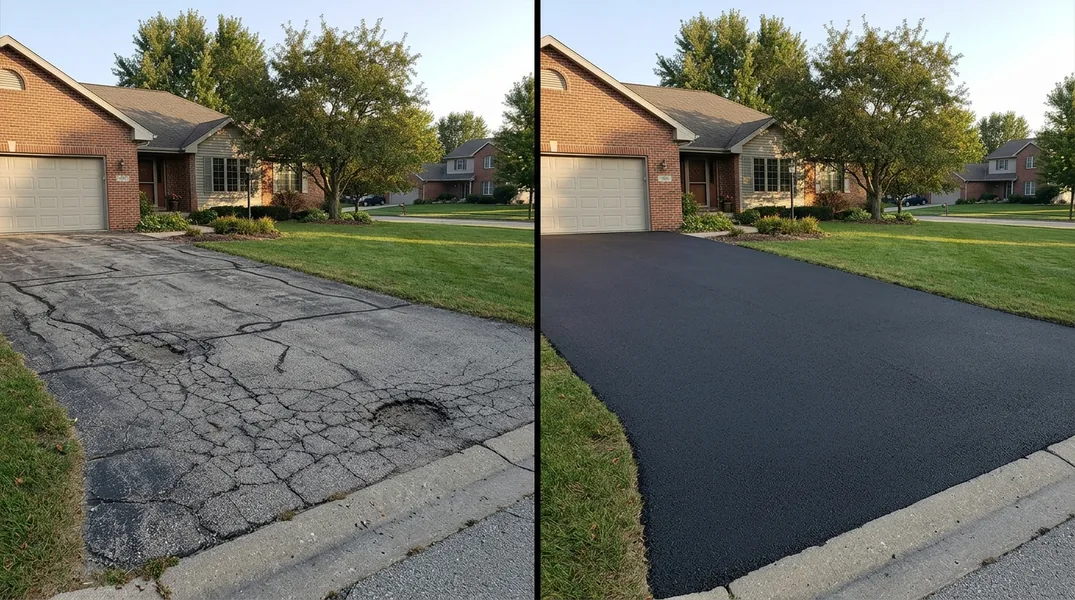
Signs Your Driveway Needs Attention
Your driveway is one of the hardest working surfaces on your property. It endures constant traffic, temperature swings, moisture, and the freeze-thaw cycles that Iowa City winters bring. Over time, even well-maintained asphalt shows wear. Knowing when your driveway needs Driveway Repair versus a complete replacement is crucial for protecting your investment and maintaining your home's curb appeal.
Common warning signs include visible cracks, fading color, soft spots, and potholes. Small surface cracks may seem minor, but they allow water to seep beneath the asphalt, where it weakens the base layer and accelerates deterioration. If you notice alligatoring (a pattern of interconnected cracks resembling alligator skin), your driveway is likely in the later stages of its life. Potholes and ruts that collect water are also red flags that your driveway is breaking down faster than routine maintenance can address.
Understanding How Long for Asphalt to Cure and When You Can Drive On It
One of the most common questions homeowners ask after investing in a new driveway is how long for asphalt to cure. The answer depends on several factors, including weather conditions, asphalt thickness, and the specific mix used by your contractor. Generally speaking, new asphalt reaches an initial set within 24 to 48 hours, but this does not mean it is fully cured. During this early period, the asphalt is still vulnerable to damage from heavy traffic and extreme heat.
How long before you can drive on new asphalt? Most professional contractors recommend waiting at least 48 hours before driving on your newly paved surface, and ideally up to one week for light traffic only. Full curing, where the asphalt achieves its maximum strength and durability, typically takes 6 to 12 months depending on weather patterns. During hot weather, curing happens faster because the heat helps bind the asphalt materials. Conversely, cold or wet conditions slow the curing process significantly. This is why the timing of your Asphalt Driveway Paving & Installation project in Iowa City matters. Summer installation allows for faster curing, while fall or spring projects may take longer to reach full strength.
During the curing period, avoid parking heavy vehicles on your driveway, turning your steering wheel while stationary (which can create marks), or allowing hot tar or chemicals to contact the surface. Even small indentations from furniture legs or tool marks can become permanent if the asphalt is still soft. Your contractor should provide specific care instructions based on the weather forecast for the days following installation.
New Asphalt Driveway Care: Essential Maintenance Steps
Once your driveway has fully cured, proper maintenance becomes the key to extending its lifespan. New asphalt driveway care is not complicated, but it does require consistency and attention. The most important step is keeping your driveway clean and dry. Remove debris, leaves, and dirt regularly, as these materials trap moisture and can promote algae growth. Sweep your driveway at least once a month, and power wash it annually if buildup occurs.
Address spills immediately, especially oil, gasoline, and other chemicals. These substances break down asphalt binder and create soft spots that lead to cracking and pothole formation. If you notice an oil stain, clean it with a degreaser and allow the area to dry completely. Small cracks should be sealed as soon as you notice them to prevent water infiltration. Many homeowners underestimate the damage that water can cause. When water seeps beneath the asphalt surface, it freezes and expands during Iowa City winters, forcing the asphalt upward and creating potholes and larger cracks. This is why preventive maintenance is so much more cost-effective than waiting for major damage to occur.
Avoid using salt on your driveway if possible, as it accelerates deterioration. If you must use de-icing products, choose calcium chloride or magnesium chloride instead of rock salt, as these are gentler on asphalt. In winter, clear snow and ice promptly to prevent water from pooling and freezing in cracks. Finally, trim tree branches that hang over your driveway, as falling branches can damage the surface and leaves create moisture traps.
How Often to Seal Driveway: Protecting Your Investment
Seal coating is one of the most effective ways to extend your driveway's life, yet many homeowners neglect this simple step. How often to seal driveway depends on your driveway's age, traffic volume, and climate exposure. As a general rule, new asphalt should be sealed within 6 to 12 months after installation, once it has fully cured. After that initial seal, reapply every 2 to 3 years to maintain protection. If your driveway experiences heavy traffic or is exposed to harsh weather, you may want to seal it every 2 years instead of 3.
Seal coating acts as a barrier against UV rays, water, and chemicals. It fills small surface voids, restores the dark color of your asphalt, and makes your driveway easier to clean. A quality seal coat typically lasts 2 to 3 years before it wears away and needs reapplication. The cost of seal coating is minimal compared to the expense of major repairs or Asphalt Resurfacing & Overlay work. In fact, regular seal coating can add 5 to 10 years to your driveway's lifespan, making it one of the smartest maintenance investments you can make.
The best time to seal your driveway is in late spring or early fall when temperatures are mild and rain is less frequent. Avoid sealing in direct sunlight or when rain is forecasted within 24 hours. If you are unsure whether your driveway needs sealing, look for fading color or areas where water no longer beads on the surface. These are signs that the existing seal coat has worn away and new protection is needed.
Repair Versus Replacement: Making the Right Decision
Deciding whether to repair or replace your driveway is ultimately a decision based on cost, age, and extent of damage. As a general rule, if your driveway is less than 10 years old and damage is limited to small cracks or isolated potholes, repair is the right choice. Pothole Repair & Asphalt Patching can quickly address localized damage and restore safety and functionality. However, if your driveway is showing widespread cracking, multiple potholes, or significant unevenness, replacement or resurfacing becomes more economical in the long run.
Asphalt driveways typically last 15 to 20 years with proper maintenance. If your driveway is approaching or past this age range and showing multiple signs of deterioration, replacement is usually the better investment. A new driveway provides a fresh start with a warranty and the peace of mind that comes with modern materials and installation techniques. Resurfacing is a middle-ground option that works well for driveways that are structurally sound but cosmetically worn. This process removes the top layer and applies a new asphalt surface, extending the driveway's life by 8 to 15 years at a fraction of the cost of full replacement.
The best way to determine your driveway's condition and the most appropriate solution is to have a professional inspection. Iowa City Asphalt Paving can assess your driveway and provide honest recommendations based on what will serve you best. Contact us at (319) 519-4420 or request a free estimate to learn about your options and budget accordingly.
Asphalt Driveway Paving & Installation Near Me: When to Call a Professional
While some driveway maintenance tasks are DIY-friendly, professional installation and major repairs require expertise and specialized equipment. If you are planning a new driveway or considering significant repairs, working with an experienced contractor ensures quality workmanship and longevity. Iowa City Asphalt Paving has been serving the Iowa City area with professional asphalt services for years, and our team understands the unique challenges that local weather and soil conditions present.
Professional contractors have the knowledge to properly prepare your base, select the right asphalt mix for Iowa conditions, and execute installation with precision. They also carry insurance and warranties that protect your investment. Attempting to cut corners with inexperienced contractors or DIY approaches often results in premature failure and costly repairs down the road. When you are ready to invest in your driveway, choose a company that prioritizes quality and customer satisfaction. Call Iowa City Asphalt Paving at (319) 519-4420 today to discuss your project and receive a detailed free estimate with no obligation.
Looking for a professional asphalt paving contractor in Iowa City? Iowa City Asphalt Paving responds fast for all your asphalt paving needs.
Get a Free Quote